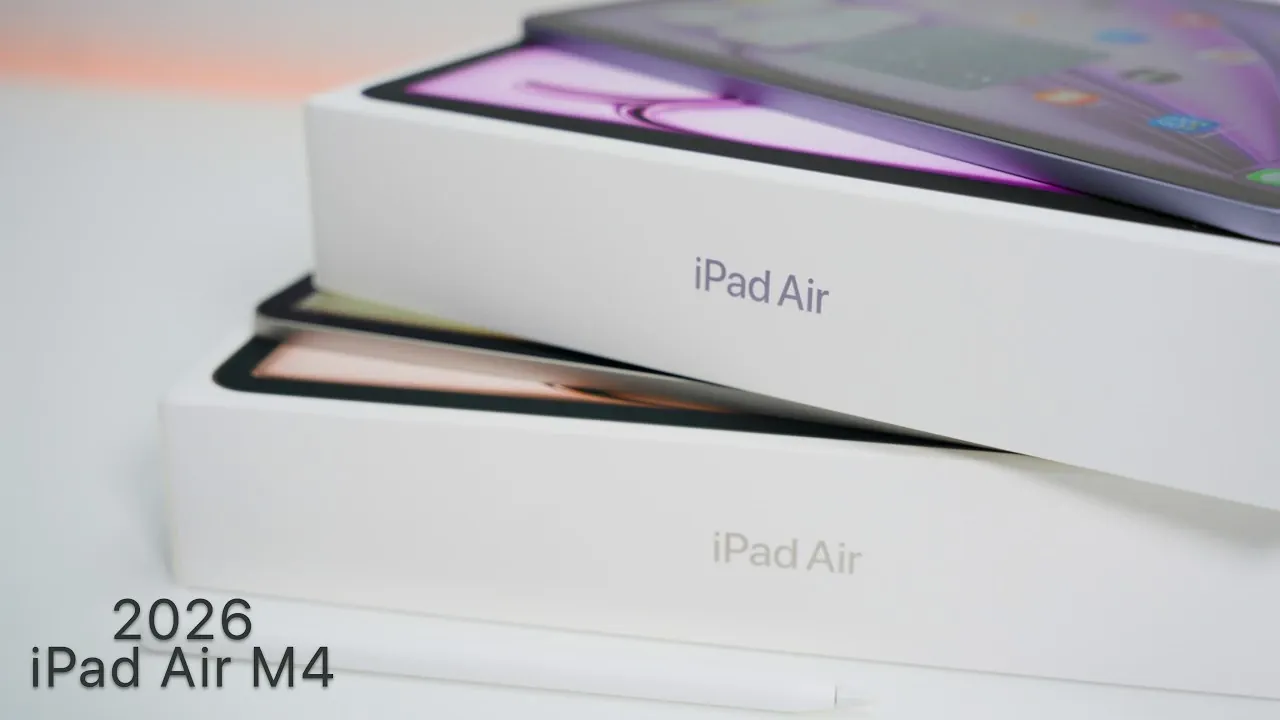
The 2026 M4 iPad Air introduces a series of incremental yet meaningful upgrades to Apple’s mid-tier tablet lineup. With a faster processor, enhanced connectivity, and increased memory, it refines the user experience while maintaining the familiar design and functionality that users have come to expect. Whether you’re upgrading from the M3 or purchasing your first iPad Air, understanding its features and limitations is essential to making an informed decision. The video below from Zollotech gives us a detailed look at the new 2026 iPad Air.

Models, Pricing, and Storage Options
The M4 iPad Air is available in two sizes, catering to different user preferences:
– 11-inch model: Priced between $599 and $1,249, depending on storage and connectivity options.
– 13-inch model: Ranging from $799 to $1,449, offering a larger display for those who prioritize screen real estate.
Storage configurations include 128GB, 256GB, 512GB and 1TB, making sure options for both casual users and professionals. While the 128GB base model is sufficient for everyday tasks, users who work with large files, such as video editors or graphic designers, may find the 512GB or 1TB options more practical. The pricing positions the M4 iPad Air as a versatile device, though its higher-end models begin to overlap with the premium iPad Pro range.
Design and Build Quality
The M4 iPad Air retains the sleek aluminum chassis and overall design of its predecessor, the M3. This continuity ensures durability and familiarity but may disappoint users hoping for a refreshed aesthetic. Available colors include blue, purple, starlight and space gray, offering subtle yet elegant options.
– The 11-inch model has a slight weight increase, though it remains highly portable and easy to handle.
– The 13-inch version maintains its weight from the previous generation, making it a suitable choice for users who prefer larger screens without sacrificing portability.
While the design is undeniably premium, the lack of visual innovation might leave some users feeling underwhelmed, particularly those who value innovative aesthetics.
Display Features and Limitations
The M4 iPad Air is equipped with a 600-nit Liquid Retina display, which provides adequate brightness for most environments. However, it lacks advanced features such as HDR support and 120Hz ProMotion technology, both of which remain exclusive to the iPad Pro lineup.
Key display highlights include:
– Apple Pencil Pro compatibility, making it an excellent tool for note-taking, sketching and other creative tasks.
– Sharp and vibrant visuals that are well-suited for everyday use, including streaming, browsing and light photo editing.
While the display is functional and reliable, it does not represent a significant leap forward. Users accustomed to higher-end screens may find the absence of ProMotion and HDR noticeable, particularly during tasks that demand exceptional visual performance.
Performance and Hardware Upgrades
At the core of the M4 iPad Air is the M4 chipset, which delivers a noticeable boost in performance compared to its predecessor. This upgrade is particularly beneficial for professionals and power users who rely on demanding applications.
Key performance enhancements include:
– An 8-core CPU and 9-core GPU, allowing faster app performance and smoother multitasking.
– 120GB/s memory bandwidth, which significantly improves data processing speeds.
– 12GB of RAM, up from 8GB in the M3, allowing for better handling of resource-intensive tasks.
– An updated neural engine, designed to accelerate AI-driven processes such as photo editing, voice recognition and machine learning applications.
While these upgrades are meaningful, casual users may not notice dramatic differences in everyday tasks like web browsing or media consumption. However, for professionals working with complex workflows, the enhanced capabilities of the M4 chipset are a welcome improvement.
Connectivity and Network Advancements
The M4 iPad Air introduces innovative connectivity features, making sure faster and more reliable connections in various environments. These advancements make it a standout option for users who prioritize seamless connectivity.
Key connectivity features include:
– Wi-Fi 7 and Bluetooth 6, powered by the Apple N1 chip, delivering faster data transfer speeds and improved stability in crowded networks.
– Cellular models equipped with the C1X modem, offering enhanced network performance and reliability for on-the-go users.
For users who frequently rely on wireless connections, these upgrades provide a tangible improvement over the M3, making the M4 a compelling choice for both work and leisure.
Accessory Compatibility and Ecosystem Integration
The M4 iPad Air supports a range of accessories, enhancing its versatility and functionality. This compatibility makes it an attractive option for users already invested in the Apple ecosystem.
Supported accessories include:
– The Apple Pencil Pro, ideal for creatives, students and professionals who require precision input.
– The Magic Keyboard for iPad Air, which transforms the tablet into a productivity-focused device, suitable for tasks such as typing, editing and multitasking.
However, it is important to note that the M4 iPad Air does not support the Magic Keyboard designed for the iPad Pro, which may limit options for users who already own that accessory. Despite this limitation, the M4’s compatibility with other Apple peripherals adds significant value, particularly for those seeking a seamless and integrated user experience.
Battery Life and Benchmarks
In performance benchmarks, the M4 iPad Air demonstrates modest gains over the M3, particularly in tasks requiring high computational power. However, battery life remains unchanged, offering the same all-day usage as its predecessor.
Key battery insights include:
– The M4 chipset improves efficiency, making sure consistent performance without compromising battery longevity.
– Users who rely on their devices for extended periods may find the lack of battery upgrades a missed opportunity.
For most users, the battery performance will meet expectations, but those hoping for extended usage times may need to explore alternative options or consider external power solutions.
Is the M4 iPad Air Right for You?
The 2026 M4 iPad Air is a capable and versatile device, but its incremental upgrades may not appeal to all users. Here are some considerations to help you decide:
– For M3 users: The enhanced connectivity, increased RAM and improved performance may not justify an upgrade unless these features are critical to your workflow.
– For new buyers: The M4 offers a balanced mix of performance and features, making it a strong contender in its price range. However, the base 128GB storage may feel limiting over time, especially for media-heavy users.
– For advanced users: If you require features like a higher refresh rate display, HDR support, or more advanced hardware, the iPad Pro remains a better option.
Ultimately, the decision to purchase the M4 iPad Air depends on your specific needs and whether its refinements align with your expectations. While it may not transform the tablet market, it delivers a reliable and well-rounded experience for a wide range of users.
Learn more about M4 iPad Air with other articles and guides we have written below.
- M4 iPad Air Release Date, Features and Pricing Explained
- Apple M4 iPad Air: Everything You Need to Know
- Apple 2026 iPad Lineup: Features, Specs and Pricing
- Apple Ipad Air M4 Specs: 30% Faster CPU, 12GB RAM, Wi-Fi 7
- M4 iPad Air: What to Expect in Apple’s 2026 Model
Source & Image Credit: zollotech
Disclosure: Some of our articles include affiliate links. If you buy something through one of these links, Geeky Gadgets may earn an affiliate commission. Learn about our Disclosure Policy.
